My Journey
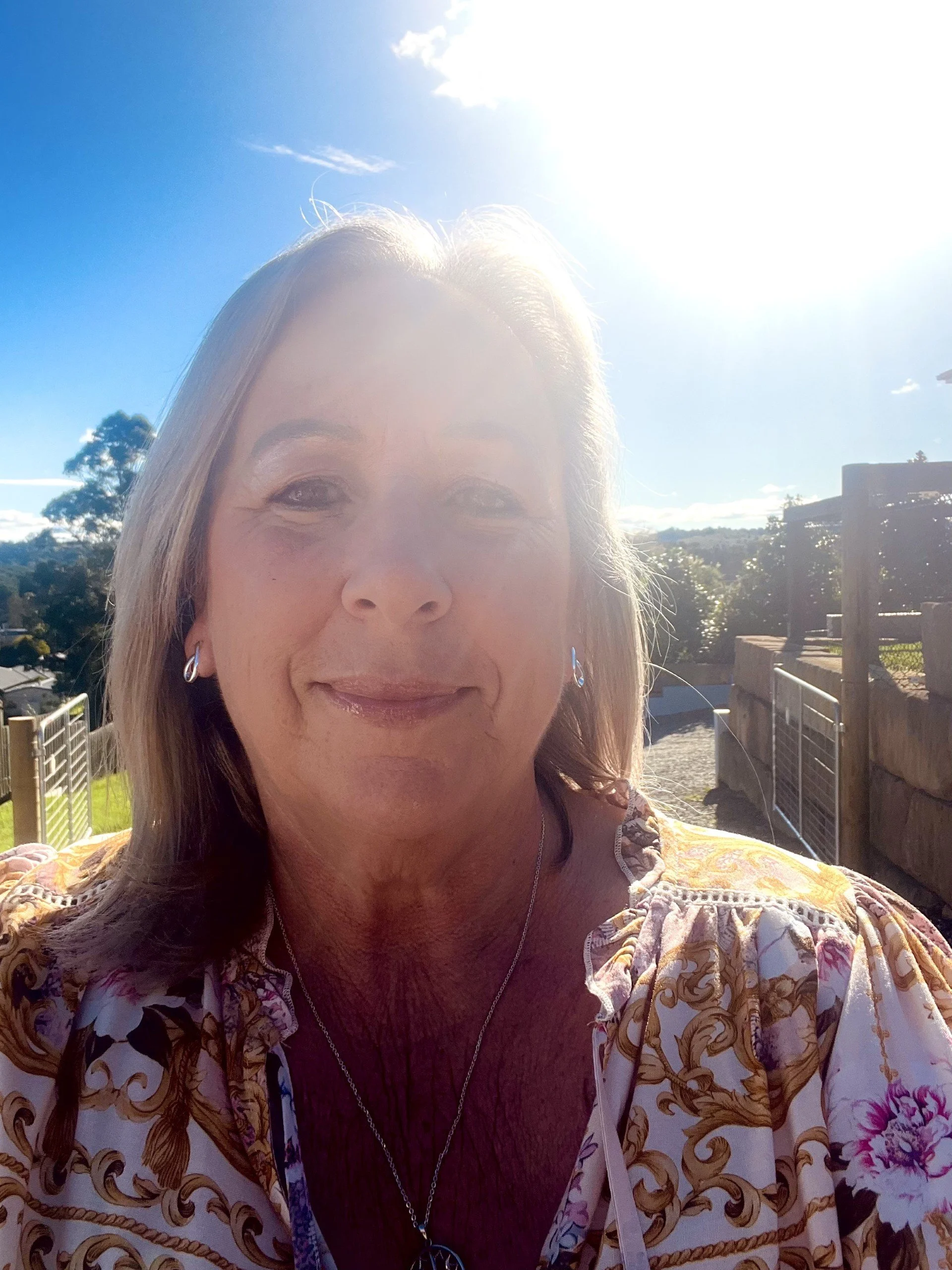
I was born in New Zealand, and I came to Australia in 1976 with my parents and older brother.
I live in the Wollondilly Shire with my husband and our 2 fur babies.
I am a proud mother of 2 and even prouder Nana to my grandson.
My path into healthcare wasn't a straight one.
I began my working life in security, even spending time as an armed security guard. While it may seem worlds away from the work I do today, those years taught me the importance of staying calm in difficult situations, building trust, and supporting people through some of life's most challenging moments.
In 2005, I made the decision to follow a different path and began studying to become a Registered Nurse. It was one of the best decisions I have ever made.
Over the years, I have had the privilege of caring for people from all walks of life and supporting them through some of their most vulnerable moments. Today, I am proud to work alongside an incredible team in Older Persons Mental Health Community with NSW Health, where I continue to learn from the people and families I have the honour of supporting.
My professional experience as a nurse, combined with the deeply personal experience of caring for my mum at the end of her life, has shaped who I am today. It has taught me that compassionate care is not just about meeting physical needs—it is about listening, understanding what matters most, respecting individual choices, and helping people feel supported, informed, and empowered.
So, why have I now taken the leap to provide a service for End of Life Support Doula?
My journey into end-of-life care began in 2009 when my family and I were told that my mum, at just 58 years old, had only two weeks to live.
Nothing can truly prepare you for hearing those words. One moment life feels normal, and the next, you are faced with the reality that time is running short. The days that followed were a blur as we contacted family across New Zealand, New South Wales, and the ACT, while trying to process the news ourselves.
Despite the devastating diagnosis, Mum remained the strong, determined woman she had always been. Rather than focusing on what she was losing, she focused on making the most of the time she had left. She was adamant about one thing—she did not want to die in a hospital.
As only my mum could, she took charge of her final wishes. She wanted to plan as much of her own farewell as possible, ensuring that everything reflected the life she had lived and the people she loved.
Then came a moment I will never forget.
While still an inpatient in hospital, Mum asked my brother and me to take her out to choose her own coffin. It was confronting, emotional, and surreal, yet it was also incredibly empowering to witness. She wasn't afraid to talk about death. She understood it was coming and wanted to have a say in the decisions that mattered to her.
Her greatest wish, however, was not about her funeral. It was about how she wanted to live.
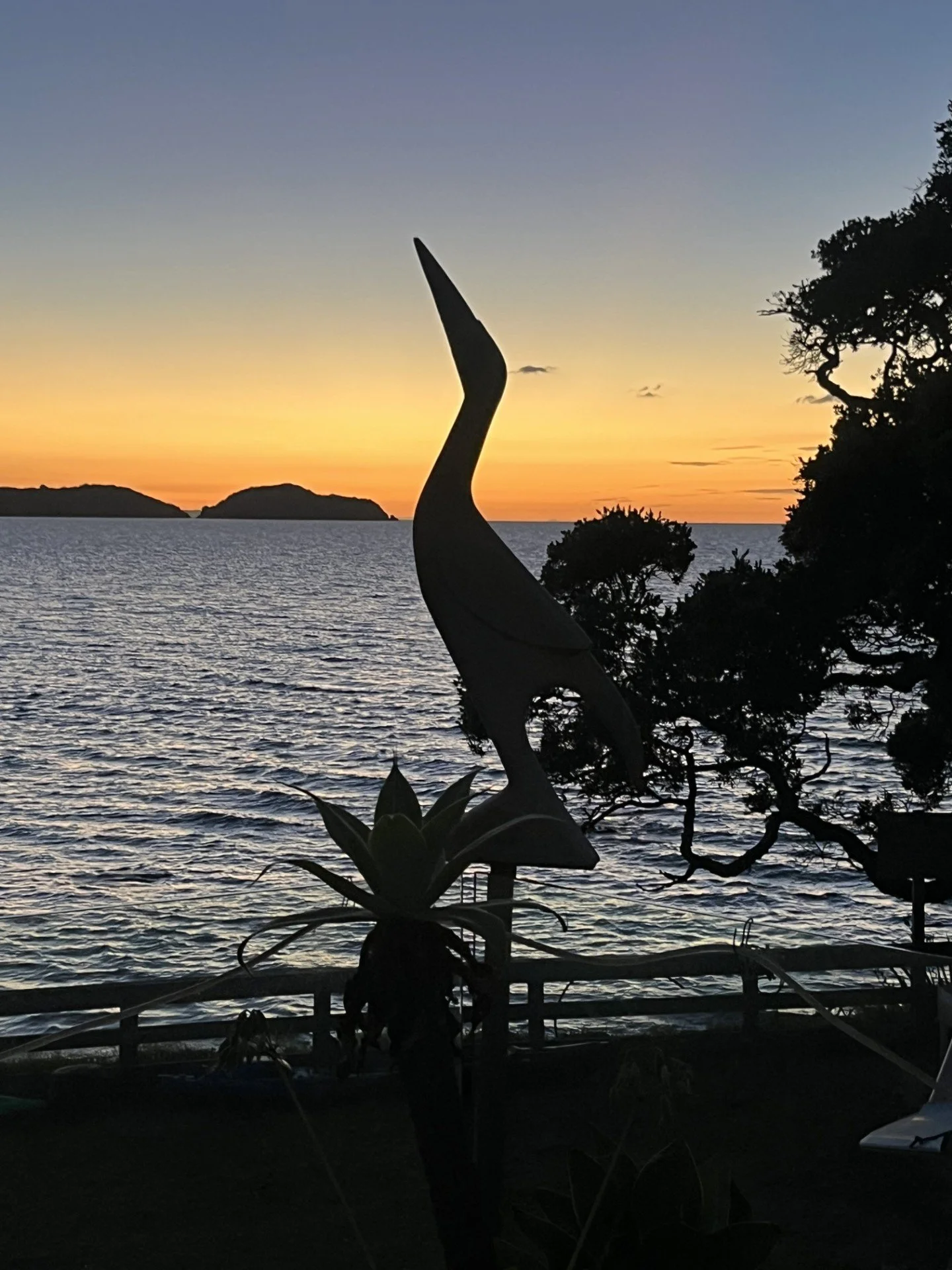
Mum wanted to spend her final days overlooking the beach she loved in Redcliffe, Queensland. She wanted to wake up to the sound of the ocean, watch the sunrise and sunset, and be surrounded by the people, places, and memories that brought her comfort and joy.
That experience changed me forever. It taught me that end-of-life planning is about so much more than preparing for death. It is about preserving choice, dignity, comfort, and quality of life. Most importantly, it taught me that every person deserves the opportunity to have their wishes heard, respected, and honoured.
In just one week, Mum had achieved what many people never get the opportunity to do.
She chose her beautiful lilac coffin, selected the flowers she wanted for her farewell, and shared her wishes with those she loved most. Family travelled from a far to be by her side, and together we found two units directly across the road from the beach she loved so dearly.
With determination and a lot of support, we organised everything Mum needed to make her wish a reality. We arranged the medical equipment, coordinated with the palliative care team, organised her medications, and transformed those units into a place where she could feel comfortable, cared for, and at peace.
What had started as a devastating prognosis quickly became something much more meaningful. Instead of spending her final weeks in a hospital room, Mum was surrounded by family, friends, the sound of the ocean, and the view she loved waking up to each day.
Looking back, I often think about how much was accomplished in such a short space of time. More importantly, I remember how empowered Mum felt knowing that her wishes were being heard, respected, and brought to life.
Mum was given just weeks to live, and she went on to spend another four weeks and four days with us. In true Mum fashion, she wasn't about to let that time pass quietly.
She made a decision: if these were to be her final weeks, they would be filled with love, laughter, family, friends, and a few indulgences along the way.
Mum would often say, "I want the best of everything for my family and friends. I want the Moët, the breakfasts, the sunset dinners, and the BBQs at the unit. It doesn't matter—it's only the kids' inheritance I'm spending!"
So that's exactly what we did.
We gathered around tables overflowing with food, shared stories and laughter, watched the sun set, and celebrated every precious day we had together. There was no saving things for another time, no waiting for a special occasion. The occasion was simply being together.
Those four weeks and four days became a beautiful reminder that end of life is not just about dying—it is also about living. Mum showed us that even in the face of terminal illness, there can still be joy, connection, celebration, and unforgettable memories.
She lived life on her terms right until the very end, and in doing so, left us with one final gift: the reminder to cherish every moment and make it count.
With the support of my brother, family, and close friends, we were able to create a peaceful and loving space for Mum during her final weeks after being diagnosed with pancreatic cancer.
Rather than focusing on her illness, we focused on living. We didn't spend our days in front of the television; instead, we talked, laughed, shared stories, and created memories together. There were sing-alongs around the house while my uncle played the guitar, filling the room with music, laughter, and love.
We took family walks along the beach, enjoying the fresh air and the simple pleasure of being together. A dear friend regularly brought Mum's beloved fur babies to visit, bringing her enormous comfort, happiness, and a sense of normality during a difficult time.
Although saying goodbye was heartbreaking, those precious weeks showed me what is possible when someone is supported to live on their own terms. Mum's final chapter was not defined by her illness—it was filled with connection, dignity, love, and moments of joy.
It was during this time that I truly understood the difference compassionate end-of-life support can make, not only for the person who is dying but for everyone who loves them.
Our family recorded 3 songs that were to be played at her funeral, and her 4 grandchildren wrote her a letter which was to be read at her funeral. We told mum about this, and she asked to hear the songs and for the grandchildren to read her the letters in person. Her grandchildren made us all so proud going in to read Nana their letters, and it was truly a beautiful time, one that we all will never forget.
Mum passed away surrounded by her family in the unit where she was looking over her beach. With the help of the amazing staff at the function on the beach across the road from where we were staying and had spent many a breakfast and lunch, as per mum's wish, we were able to have her funeral upstairs with a full view of her beach.
We returned Mum to Waitete Bay, New Zealand, a place she loved and one that holds a special place in our hearts. As a family, we travelled by boat to Double Island, where, surrounded by the calm beauty of the bay, we gently scattered her ashes. It was a peaceful farewell, honouring her wish to be free in the place that brought her so much happiness.
It was such a beautiful send-off, and most of all, it was a celebration of her life.
From that day on, I made a promise to myself: to help people understand that they have a choice in how they spend their final days, moments, and journey.
I want people to know that they can choose where they wish to be, how they would like to be cared for, and how they want their life to be celebrated and remembered. There is no one-size-fits-all approach. Your choices are as unique as you are, and your final wishes deserve to be honoured.
By planning ahead, you can ensure your voice is heard, your wishes are known, and your loved ones are supported. Taking the time to have these conversations now can bring comfort, clarity, and peace of mind, reducing stress and uncertainty for both you and your family when the time comes.